
Table of Contents
Introduction: Skillet Pan-Seared Sea Bass
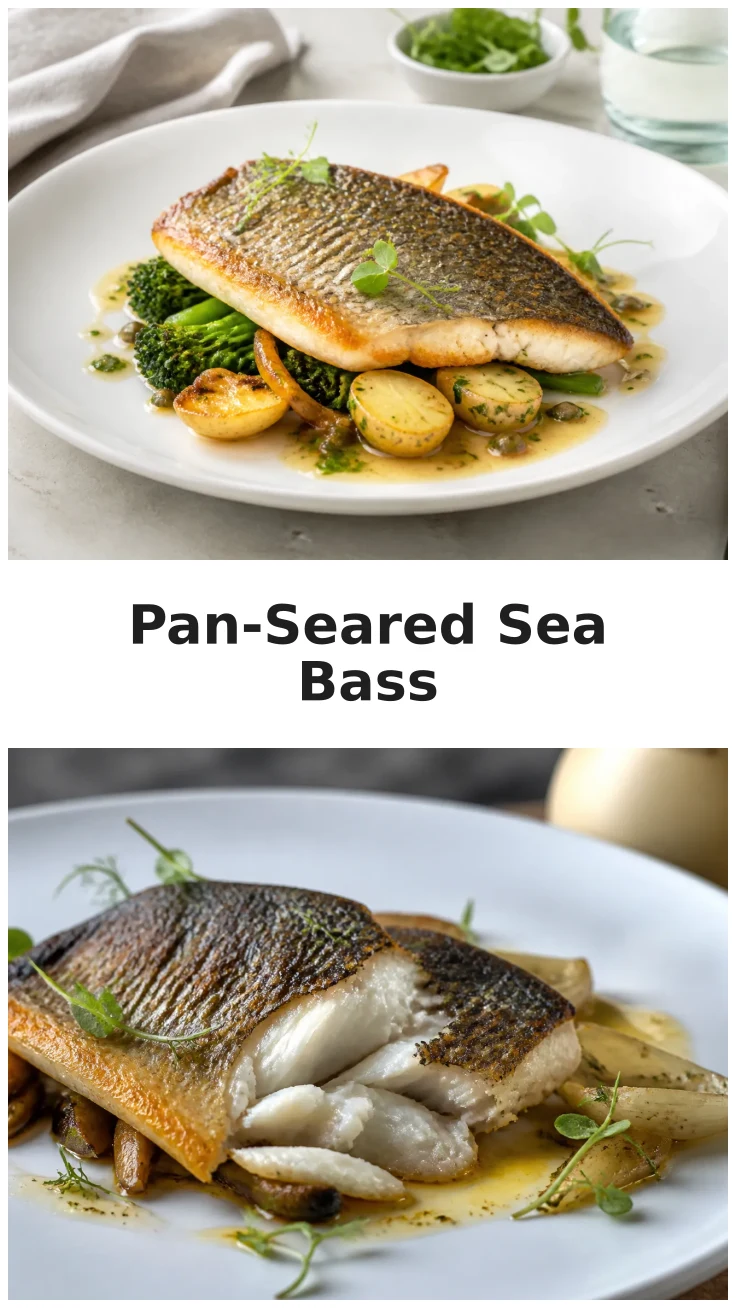
There’s something truly magical about a perfectly seared piece of sea bass. Its golden crust and tender, flaky interior make it a standout dish for any seafood lover. In this article, we’ll explore how to achieve that perfect sear using a trusty skillet, making this a go-to recipe for an easy fish dinner.
Why Choose Sea Bass for Your Skillet?
Sea bass is a versatile fish that’s rich in flavor and packed with nutrients. Its firm texture holds up well to pan-searing, ensuring that you get a crispy exterior while keeping the inside moist and succulent. Choosing sea bass for your skillet ensures a delicious and healthy seafood meal that’s sure to impress.
The Benefits of Pan-Searing
Pan-searing is a quick and effective way to cook fish, especially when using a cast iron skillet. This method locks in flavors and creates a delightful crust on the fish. Additionally, it requires minimal ingredients and time, making it perfect for busy weeknights or when you want to enjoy a restaurant-quality meal at home.

Love easy seafood recipes like this? 🐟
Get new fish and seafood recipes, simple cooking tips and family meal ideas in your inbox every week. Free, no spam, unsubscribe anytime. See our Privacy Policy.
Ingredients
Fresh Ingredients for the Best Flavor
To make the most out of this recipe, prioritize fresh ingredients. Fresh sea bass, freshly cracked black pepper, and a squeeze of lemon can make all the difference. These elements come together to enhance the natural flavors of the fish.
Substitutes and Variations
If you can’t find sea bass, other firm white fish like halibut or cod can work as substitutes. For a different flavor profile, consider adding herbs like thyme or rosemary, or a bit of garlic to the pan for additional aroma.
Step-by-Step Instructions
Preparing Your Sea Bass
Start by patting the sea bass fillets dry with a paper towel. This step is crucial to achieving a crispy skin. Season each fillet with salt and pepper to taste.
Mastering the Pan-Searing Technique
Heat a cast iron skillet over medium-high heat and add a tablespoon of oil. Once the oil is shimmering, carefully place the sea bass fillets skin-side down. Cook for about 4 minutes, pressing down occasionally to ensure even searing. Flip the fillets and cook for an additional 3 minutes until the fish is opaque and flaky.
Finishing Touches for a Perfect Dish
After removing the fillets from the skillet, add a squeeze of fresh lemon juice and a sprinkle of fresh herbs for added freshness and flavor. Serve immediately to enjoy the crispy skin at its best.
Pro Tips
To ensure your skillet pan-seared sea bass turns out perfect every time, consider these pro tips:
- Choosing the Right Skillet: A cast iron skillet is ideal for even heat distribution and a perfect sear.
- Ensuring Even Cooking: Pressing down on the fillets ensures even contact with the skillet for a uniformly crispy skin.
- Use Fresh Ingredients: Always opt for fresh sea bass and herbs for the best flavor.
- Preheating the Skillet: Make sure your skillet is hot before adding the fish to prevent sticking.
The most important tip is to ensure your skillet is well-preheated. A hot skillet is crucial for achieving that desired crispy texture.
Love easy seafood recipes like this? 🐟
Get new fish and seafood recipes, simple cooking tips and family meal ideas in your inbox every week. Free, no spam, unsubscribe anytime. See our Privacy Policy.
Serving Suggestions
Pairing with Side Dishes
Skillet pan-seared sea bass pairs beautifully with a variety of side dishes. Consider serving it with roasted vegetables, a fresh green salad, or light pasta for a balanced meal. The simplicity of the fish allows it to complement many flavors.
Wine and Beverage Pairings
For a perfect pairing, choose a crisp white wine like Sauvignon Blanc or Chardonnay. These wines enhance the delicate flavors of the sea bass without overpowering them. For non-alcoholic options, a sparkling water with a slice of lemon works wonderfully.
Nutritional Information
Calorie Count and Macronutrients
A serving of skillet pan-seared sea bass is not only delicious but also nutritious. It’s a high protein dinner that’s low in calories, making it a healthy choice for those looking to maintain a balanced diet. Each fillet delivers essential nutrients without excessive calories.
Health Benefits of Sea Bass
Sea bass is rich in omega-3 fatty acids, which are beneficial for heart health. It’s also a good source of vitamin B12 and selenium, essential nutrients for energy production and immune function. Incorporating sea bass into your diet can contribute to overall wellness.

Skillet Pan-Seared Sea Bass

Equipment
- 1 cast iron skillet
- 1 tongs
- 1 spatula
Ingredients
Main Ingredients
- 4 sea bass fillets skin-on
- 2 tablespoons olive oil
- Salt to taste
- Black pepper to taste
Finishing Touches
- 1 lemon juiced
- 2 tablespoons fresh parsley chopped
Instructions
Preparation
- Pat the sea bass fillets dry with a paper towel. Season both sides with salt and pepper.
- Place a cast iron skillet over medium-high heat. Add olive oil and heat until shimmering.
- Carefully place the sea bass fillets skin-side down in the skillet. Press down gently with a spatula to ensure even contact.
- Cook for about 4 minutes until the skin is crispy and golden brown. Flip and cook the other side for 3 minutes.
Serving
- Remove the fillets from the skillet. Squeeze lemon juice over the top and sprinkle with chopped parsley. Serve immediately.
Storage
- Place any leftover sea bass in an airtight container and refrigerate. Consume within 2 days for best quality.
Notes
Ingredient Substitutions: Try halibut or cod if sea bass is unavailable.
How to Serve: Pair with roasted vegetables or a fresh salad for a complete meal.
Storage & Freshness: Store leftovers in an airtight container in the refrigerator.
Make-Ahead Tips: Prepare your sea bass by seasoning ahead of time, then cook just before serving.
FAQ
Can I use a different type of fish for this recipe?
Yes, if sea bass is unavailable or you prefer a different type of fish, you can substitute it with other firm white fish like halibut or cod. These fish have similar textures and flavors that work well with the pan-searing technique. Just ensure the fillets are of similar thickness for even cooking.
What should I do if my fish sticks to the skillet?
If your fish is sticking to the skillet, it might be due to insufficient preheating of the pan or not enough oil. Ensure your skillet is hot before adding the fish, and use enough oil to coat the bottom. Avoid moving the fillets too soon; they should release easily once a crust has formed.
Enjoyed this recipe? Leave a review!
There are no reviews yet. Be the first one to write one.